
UAE Plans AED 200B Energy Investments by 2030
The UAE is planning energy investments ranging between AED 150bn ($40.8bn) and AED 200bn ($54.5bn) by 2030 to address growing demand and reinforce its energy infrastructure, Minister of Energy and Infrastructure Suhail bin Mohammed Al Mazrouei has announced.
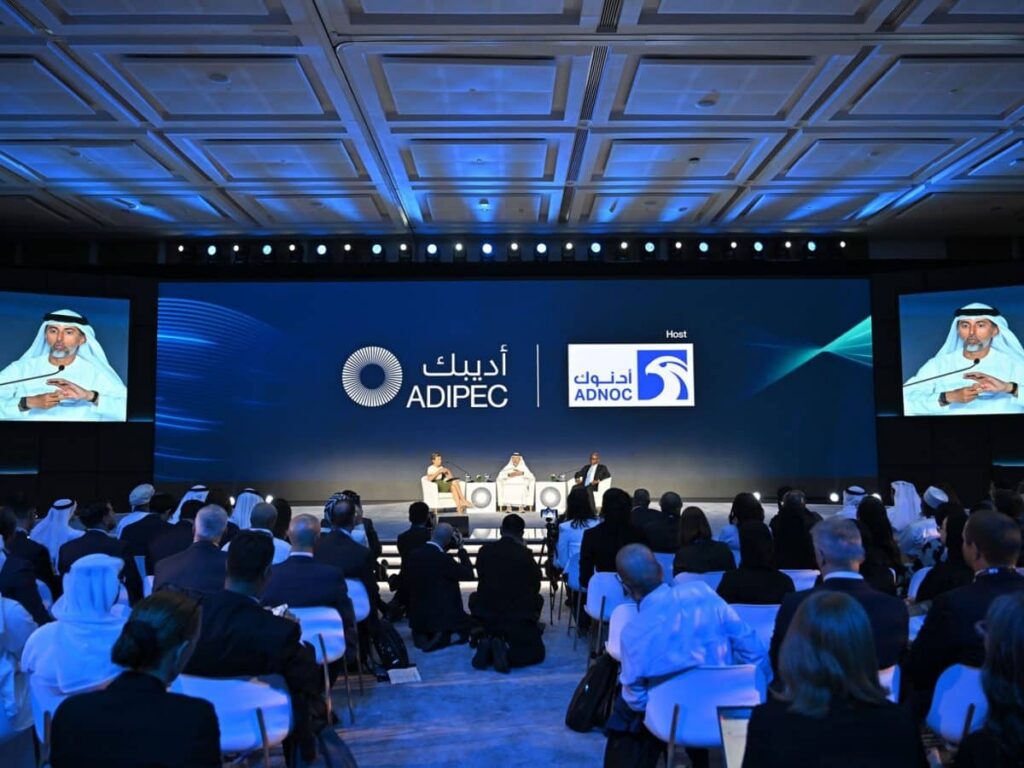
Speaking at a ministerial panel during ADIPEC 2026, Al Mazrouei outlined investment priorities spanning electricity generation, power transmission networks, energy storage and integrated energy system operations.
He highlighted that energy security has become a critical economic and national priority amid geopolitical uncertainties, increasing global energy consumption and rising demand from advanced industries, artificial intelligence and data centres.
The planned investments aim to develop a more resilient and diversified energy sector while ensuring reliable and competitively priced energy supplies.
UAE Advances Clean Electricity Generation Targets
Clean energy contributed 32.4 per cent of the UAE’s total electricity generation in 2025, according to figures presented by Al Mazrouei.
This marks progress towards the country’s goal of increasing clean energy’s share of electricity generation to 35 per cent by 2031.
The Minister emphasised that renewable energy, nuclear power and natural gas would continue to complement one another in meeting the UAE’s growing energy needs.
“Energy security is not simply about securing sufficient supplies. It is about building an integrated, resilient, and competitive energy system that can support economic growth, protect essential services, and respond effectively to future challenges,” Al Mazrouei said.
“Our priority is to make energy a lasting competitive advantage for the UAE by aligning investment with industrial development, technological advancement, and long-term sustainability.”
UAE Prioritises Resilient Energy Infrastructure
Al Mazrouei stressed that future energy investments must incorporate physical security, cybersecurity, climate resilience and business continuity considerations.
He underscored the need for stronger coordination between government authorities and energy sector operators to improve emergency response capabilities, safeguard critical infrastructure and ensure uninterrupted essential services.
Strengthening domestic manufacturing, securing supplies of critical equipment and developing specialised national expertise were also highlighted as key priorities.
The Minister noted that improving flexibility across energy supply and demand would become increasingly important as consumption continues to rise.
Better integration of electricity generation, storage facilities, transmission networks and consumption patterns could enhance operational efficiency while reducing vulnerability to supply disruptions and energy price fluctuations.