
Dubai Studies Transport Network to Move People and Goods as Travel Demand Rises
Dubai’s Roads and Transport Authority (RTA) is exploring an integrated underground transport network to move people, goods and services beneath the city as the emirate prepares for a significant increase in travel demand.
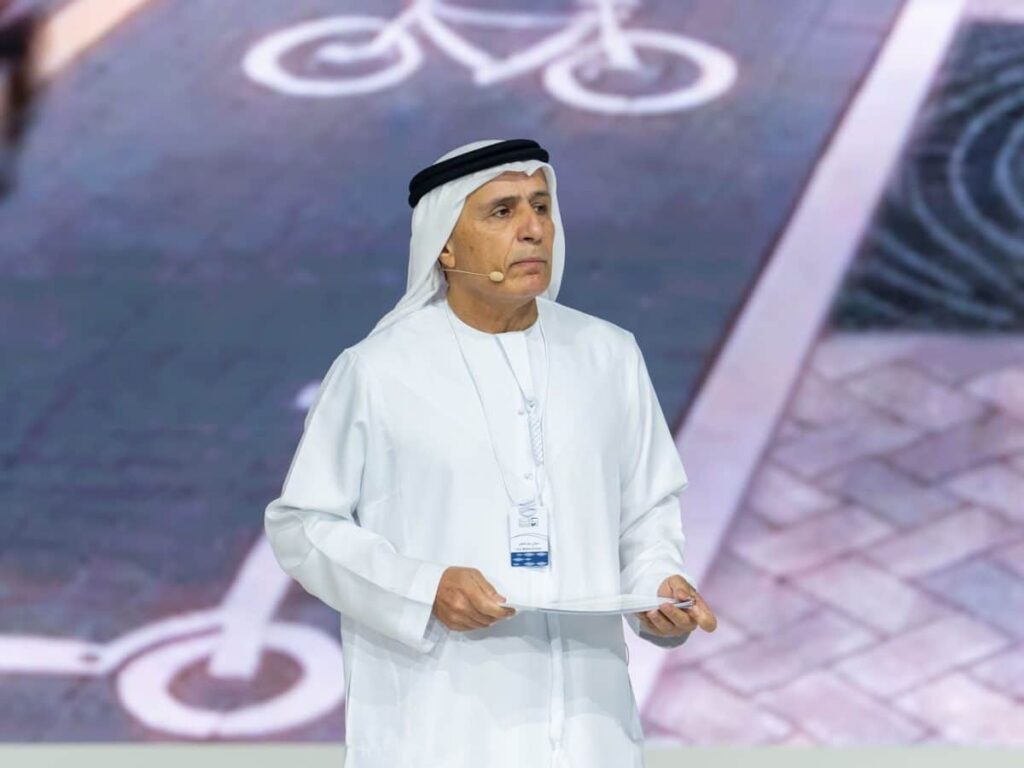
Mattar Al Tayer, Director General and Chairman of the Board of Executive Directors of Dubai’s Roads and Transport Authority (RTA), announced the plans at the Mohammed bin Rashid Leadership Forum. He outlined a broader vision for a transport network operating across three dimensions: underground, at ground level and in the sky.
The proposed underground network aims to improve mobility efficiency, advance sustainability and open up new opportunities for investment and economic growth.
The initiative comes as Dubai’s road network accommodates more than 11 million trips daily, equivalent to approximately 7,000 trips every minute.
More than six million people currently travel across Dubai during the day, with this figure projected to double by 2040, according to Al Tayer.
Speaking at a session titled “Shaping Dubai’s Mobility Future in Three Dimensions”, Al Tayer highlighted the importance of incorporating underground space into future urban transport planning.
The RTA has previously explored underground mobility concepts through projects such as the Dubai Loop and Dubai Metro Gold Line. The authority is also assessing advanced international technologies to improve the utilisation of underground urban spaces.
Al Tayer said Dubai’s future transport model would combine aerial journeys designed to reduce travel times to minutes, more efficient ground-level mobility supported by flexible roads and expanded green spaces, and an innovative underground network for transporting people, goods and services. He said the approach could improve land-use efficiency, generate investment opportunities and support more sustainable mobility.
The RTA has not announced a construction timeline, investment value, proposed routes or station locations for the integrated underground transport network currently under study.