
Etihad Rail Could Reshape UAE Property Demand and Rents
The launch of passenger services between Abu Dhabi and Dubai could reshape residential demand across the UAE, with areas close to Etihad Rail stations expected to attract greater interest from tenants and buyers.
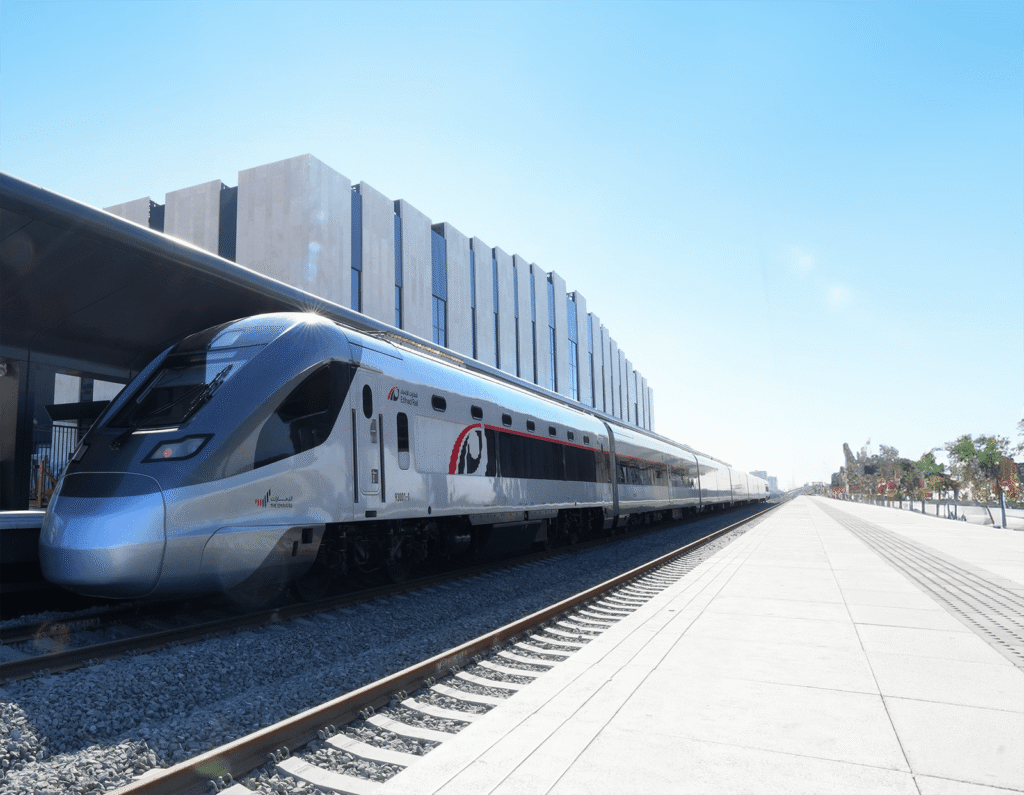
Etihad Rail now operates 10 daily services between Abu Dhabi and Dubai, with the journey taking around 64 minutes. The service connects Mohamed Bin Zayed City Passenger Station with Al Yalayis Station in Dubai, strengthening links between two of the UAE’s largest property markets.
Property consultancy Betterhomes expects rental markets to respond before sale prices as residents begin factoring rail connectivity into their housing decisions. Early changes are expected to appear through higher enquiries and viewing activity around station locations.
Mohamed Bin Zayed City is among the areas being closely watched because of its direct access to the Abu Dhabi passenger station. Improved connectivity could make the area more attractive to residents working in Dubai while maintaining access to Abu Dhabi’s employment centres.
The impact is expected to extend beyond immediate station catchment areas. Communities with convenient road access, parking and reliable last-mile connections could benefit as residents become more willing to live further from their workplaces.
For tenants, the new rail link could change the trade-off between rental costs and commuting time. More affordable communities outside Dubai and Abu Dhabi may become increasingly attractive if residents can replace long road journeys with predictable train travel.
Investors could also increasingly assess rail connectivity when evaluating rental yields and future demand. However, property values are expected to respond more gradually as passenger usage, service frequency and last-mile connections become established.
The launch could therefore influence the UAE’s wider residential market by expanding the practical commuter belt between major cities and supporting demand in areas that were previously constrained by road travel times.