
UAE and Thailand Conclude CEPA Negotiations as Non-Oil Trade Jumps 75.4%
The UAE and Thailand have concluded negotiations on a Comprehensive Economic Partnership Agreement (CEPA), marking a significant step towards strengthening bilateral economic relations as non-oil trade between the two countries climbed 75.4 per cent to $10.2 billion in the first half of 2026.
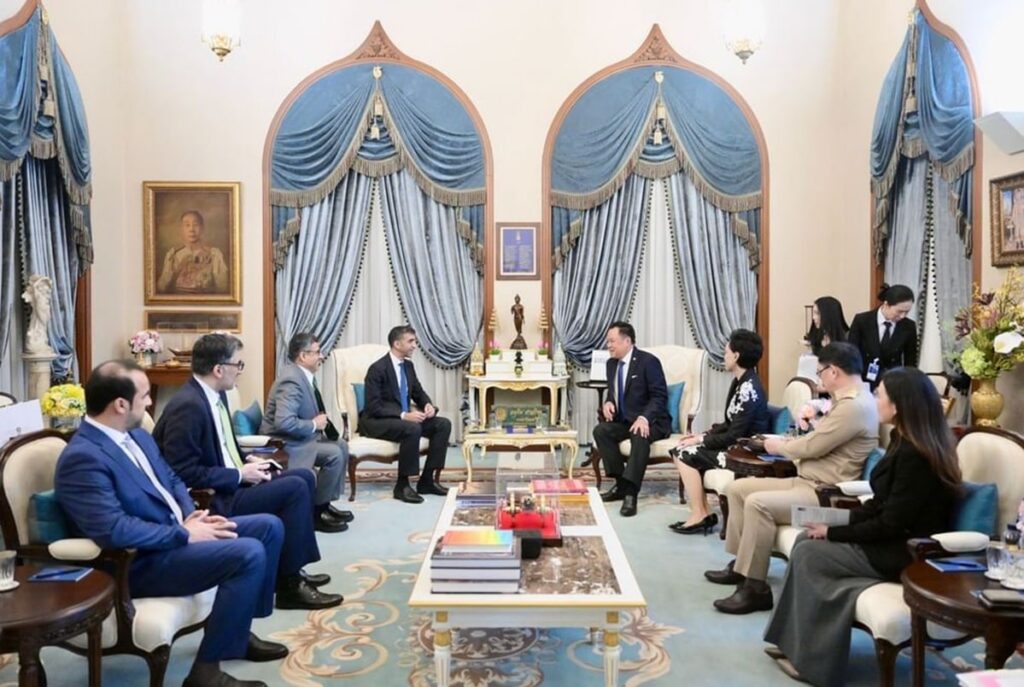
The conclusion of negotiations was announced in Bangkok during a meeting involving Dr Thani bin Ahmed Al Zeyoudi, UAE Minister of Foreign Trade, and Thailand’s senior officials.
The agreement is expected to strengthen trade and investment ties between the two countries, improve market access and create new opportunities for businesses across key economic sectors.
The CEPA framework aims to reduce trade barriers, facilitate the exchange of goods and services, and encourage greater private-sector collaboration. It is also expected to support the expansion of bilateral investment and open up additional opportunities for companies seeking to enter or expand in both markets.
The surge in non-oil trade highlights the growing importance of Thailand as a strategic economic partner for the UAE in Southeast Asia. Stronger commercial ties could help businesses diversify their export markets and establish new partnerships across the region.
The agreement also reflects the UAE’s broader strategy to expand its global trade network through comprehensive economic partnership agreements, strengthening international supply chains and supporting the growth of its non-oil economy.
With negotiations concluded, the agreement marks progress towards deeper economic integration between the UAE and Thailand, with both countries seeking to build on rising trade flows and unlock further opportunities for businesses.