
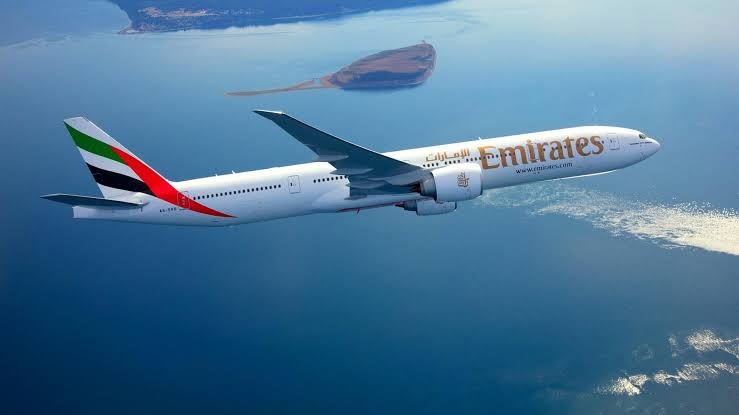
Emirates and Etihad Cancel Services After U.S. Grounding Amid Outage
Emirates and Etihad flights were delayed or canceled on September 21 after a major air traffic control communications outage disrupted operations at several airports in the US Northeast. Services resumed on September 22, although further delays are expected as airlines gradually work through the backlog and restore normal schedules.
Flight-tracking data showed UAE-US services continuing to operate to destinations including New York and Boston. Airports across the US were also working to clear a significant backlog after thousands of flights were delayed or cancelled during the September 21 disruption.
Emirates and Etihad US flights continue operating
Emirates flight EK203 operated from Dubai to New York JFK in the early hours of September 22. Flight-tracking data showed the Airbus A380 departing Dubai at 3:02 am, compared with its scheduled departure time of 2:40 am.
Emirates also continued to list flight EK201 on its Dubai-JFK schedule. Flight EK209 was likewise scheduled to operate from Dubai to Newark via Athens.
Etihad flight EY1 departed Abu Dhabi for New York JFK at 2:39 am on September 22. Flight-tracking information showed an estimated arrival time of 9:09 am local time in New York.
Etihad also scheduled flight EY7 from Abu Dhabi to Boston on September 22. The service was listed with a 9 am departure from the UAE and an expected arrival in Boston at 2:40 pm.
Early flight-tracking information showed no confirmed cancellations among the monitored Emirates and Etihad services on September 22.
FAA communications failure disrupts Northeast airports
The US aviation disruption began on September 21 after communications systems at a Federal Aviation Administration (FAA) facility responsible for airspace operations in the Northeast failed.
A primary telecommunications circuit initially failed, followed by the discovery of damage to a backup fibre-optic connection in New Jersey. Construction work severed the backup line, disrupting communications required by air traffic controllers.
Ground stops were imposed at Newark Liberty International Airport, New York’s JFK and LaGuardia airports, Philadelphia International Airport, and other facilities across the Northeast. Boston also experienced disruption.
By the end of September 21, around 7,000 flights across the US had been delayed or cancelled. More than 1,400 disruptions were recorded at the three major airports serving the New York area.
US Transportation Secretary Sean Duffy later confirmed that the affected telecommunications lines had been repaired. Airport operations then began working through the accumulated traffic.
Newark faced the most significant operational disruption during the outage, with commercial flights halted for several hours after controllers lost access to essential communications systems.
Associated Press data showed more than 600 cancellations at Newark during the disruption, while Philadelphia, JFK, and LaGuardia also recorded substantial delays and cancellations.
Earlier data showed Newark had recorded 168 cancellations and 97 delays by around 1900 GMT. Philadelphia had reported 63 cancellations and 189 delays at the same point.
US authorities later said the backup fibre-optic connection had been severed during construction work involving a New Jersey Transit crew. Earlier official reports had attributed the construction activity to Amtrak.
FAA operations resumed after technicians restored the affected communications systems. Airlines subsequently began managing aircraft rotations, passenger rebooking, and departure queues that had built up across the affected airports.
Iran airline sanctions are a separate issue
US aviation sanctions targeting Iranian airlines are unrelated to the communications outage that disrupted airports across the Northeast.
The US Treasury announced sanctions on September 8 against 27 Iranian airlines and other aviation-related entities. The department also warned foreign companies that provide services to designated carriers about potential sanctions risks.
The measures cover services including aircraft handling, sales support, and other commercial aviation activities. Iranian airlines could face greater challenges securing international operational services as overseas providers assess their compliance obligations.
The Emirates and Etihad operations reported on September 22 are separate from those sanctions. UAE-US connectivity continued through scheduled flights as American airports worked to resolve the operational backlog caused by the FAA communications failure.