
The Disappearing Dollar: Why You’ll Never “Pay” for Anything Again
The future of spending may not feel like spending at all.
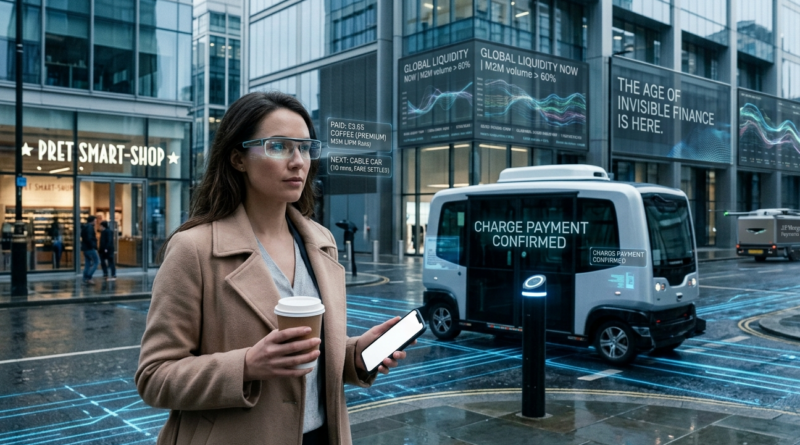
Across cities from Dubai to Seoul and New York City, the act of physically paying for something is quietly disappearing. Swiping cards already feels outdated in many urban spaces. Now, subscriptions, biometric payments, embedded finance, AI-driven commerce, and invisible checkout systems are changing consumer behaviour even further.
The dollar isn’t disappearing literally, but the psychological experience of payment is.
Consumers increasingly move through cities without ever consciously “buying” things. Coffee gets auto-billed through apps. Ride-sharing accounts deduct fares silently. Streaming services renew monthly in the background. Smart devices reorder household essentials before users even realise they’re running low.
What used to feel transactional now feels ambient.
The Rise of Invisible Commerce
Urban consumers are entering an era where convenience matters more than ownership or even price awareness. Digital wallets, tap-to-pay ecosystems, and frictionless retail environments are conditioning users to spend without interruption.
Retail giants and tech platforms are investing heavily in systems that remove every possible moment of friction between desire and purchase. Walk into a cashier-less store, take what you need, and leave no queues, no tills, no exchange of cash.
The experience feels seamless, but it also changes the emotional relationship people have with money.
When payments become invisible, spending often becomes less deliberate.
Subscription Culture Is Rewiring Spending Habits
From entertainment and fitness to fashion rentals and meal plans, subscription culture has transformed how younger audiences interact with products and services.
Instead of paying once, consumers now enter continuous payment ecosystems. The modern urban lifestyle increasingly runs on recurring micro-transactions happening quietly in the background.
Music, transport, groceries, cloud storage, dating apps, creator platforms, nearly every aspect of digital life now operates on membership logic.
For brands, it creates predictable revenue. For users, it creates convenience. But it also blurs the line between essential spending and passive consumption.
Your Face, Voice, and Data May Become Your Wallet
Biometric payment systems are rapidly becoming part of mainstream urban infrastructure. Facial recognition checkouts, fingerprint verification, and voice-authorised purchases are already being tested across retail, banking, and hospitality sectors globally.
The next stage of commerce may rely less on carrying money and more on carrying identity.
As AI systems personalise spending experiences in real time, algorithms may soon predict purchases before consumers make decisions. Recommendation engines are evolving into automated commerce systems.
The result is a future where transactions occur almost invisibly, embedded in movement, behaviour, and digital ecosystems.
The Real Cost of Convenience
The disappearing payment experience raises bigger questions about awareness, privacy, and financial control.
When people no longer hand over money in person, budgeting can feel abstract. Micro-payments stack quietly. Subscription fatigue grows. Impulse spending becomes easier to ignore.
At the same time, cashless ecosystems risk excluding populations without access to banking technology or digital infrastructure.
Still, convenience continues to win.
For younger urban audiences especially, speed and seamlessness increasingly define luxury. The most premium experience is no longer about visible consumption; it’s about removing effort entirely.
And in that future, paying may become something people barely notice.