
The End of Traditional Banking? Why Fintech Apps Are Becoming the New Financial Headquarters
The relationship between consumers and banks is changing rapidly.
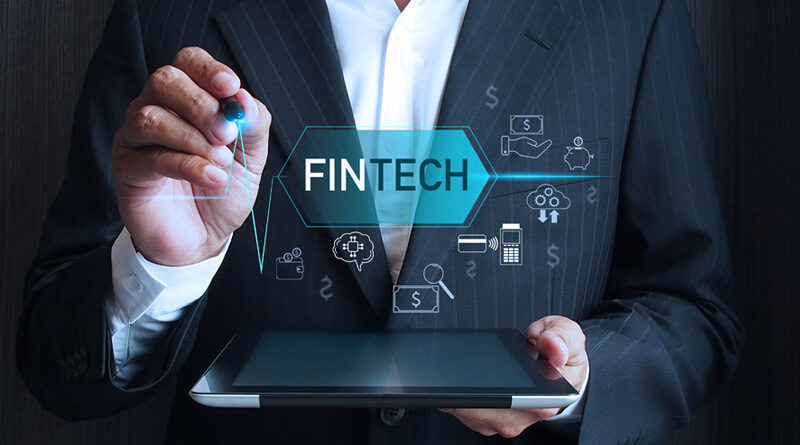
In 2026, many people no longer view their bank as the primary destination for managing money. Instead, fintech platforms are becoming the central hub for spending, saving, investing, budgeting, and even accessing credit, all from a single digital ecosystem.
What began as simple payment apps has evolved into a new generation of financial super-apps. Users can now track investments, automate savings goals, receive real-time spending insights, split bills, transfer money internationally, and access personalized financial tools without visiting a branch or navigating multiple platforms.
The shift is being driven by convenience. Consumers increasingly expect the same seamless digital experience from financial services that they receive from streaming platforms, e-commerce apps, and ride-hailing services. Fintech companies are responding by integrating a growing range of services into unified platforms designed around user experience rather than traditional banking structures.
For younger generations, especially Gen Z and Millennials, financial loyalty is no longer tied to a bank’s history or physical presence. Instead, users are gravitating toward platforms that offer speed, transparency, and greater control over their finances.
The trend is also reshaping competition within the financial sector. Traditional institutions are investing heavily in digital transformation, while fintech firms continue to expand beyond payments into wealth management, lending, insurance, and financial planning.
As digital ecosystems become more sophisticated, the future of personal finance may no longer revolve around a single bank account. Instead, consumers are increasingly choosing platforms that bring every aspect of their financial lives together in one place.
The result is a financial landscape where convenience, personalization, and digital accessibility matter as much as trust and security, signaling a new era in the evolution of money management.