
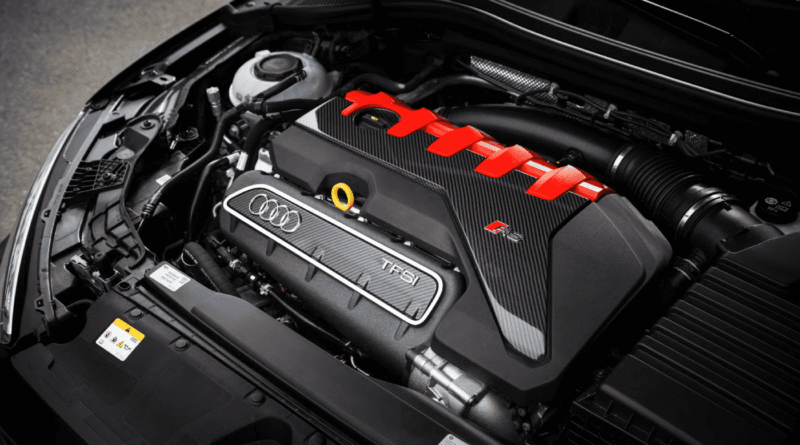
Audi RS3 Five-Cylinder Engine Could Survive Beyond 2026 Under Euro 7
Audi’s iconic five-cylinder engine could remain part of the RS3 lineup beyond the introduction of stricter Euro 7 emissions standards, with Audi Sport continuing to evaluate options for its next generation.
The 2.5-litre turbocharged inline-five has been a defining feature of Audi’s performance cars for decades. Although the recent RS3 Competition Limited appeared to signal the end of the engine’s run, Audi Sport boss Rolf Michl has indicated that internal assessments are still underway.
The company recognises the engine’s heritage and distinctive sound, while the RS3 itself remains an important entry point into Audi’s performance range.
Euro 7 creates a challenge for Audi’s five-cylinder
The biggest obstacle to retaining the five-cylinder engine is the cost of meeting Euro 7 emissions requirements.
The new European standards are scheduled to take effect from late 2026 and are expected to require additional emissions-control hardware. For the 2.5-litre turbocharged engine, compliance could involve redesigned particulate filters, additional sensors, and more advanced catalytic-converter technology.
However, the investment becomes difficult to justify because the engine currently serves a relatively small number of vehicles.
The powerplant is used in the Audi RS3 and Cupra Formentor VZ5, limiting the number of vehicles over which development costs can be spread. Moreover, Audi CEO Gernot Döllner has previously raised questions about the financial viability of a significant investment in a low-volume engine.
Therefore, Audi faces a difficult balance between preserving an important performance-car identity and allocating development resources to increasingly electrified powertrains.
Hybridisation could extend the engine’s life
One possible route could involve combining the five-cylinder engine with hybrid technology.
Audi has already used electrification to extend the life of its performance powertrains. The approach helped ensure the continuation of the V6-powered RS5, although applying a similar system to the smaller RS3 could add weight and complexity.
That trade-off could be particularly significant in a compact performance model, where weight directly affects handling and driving dynamics.
Another option could involve increasing engine production volumes across the wider Volkswagen Group.
The RS3 shares the MQB platform architecture with numerous Volkswagen Group models. Consequently, applying the five-cylinder engine to additional vehicles could spread the cost of Euro 7 compliance across a larger production base.
Industry speculation has even pointed to a future high-performance Volkswagen Golf R using the five-cylinder engine as part of a potential anniversary model linked to the original R32.
Audi weighs heritage against efficiency
Audi Sport sold around 36,000 vehicles globally last year, while the RS3 accounts for only a portion of those sales.
As a result, the future of the five-cylinder engine could depend on whether Audi can increase its commercial footprint without undermining the exclusivity that has helped define the powertrain.
For Audi enthusiasts, the engine represents more than a technical specification. Its unusual cylinder configuration and distinctive soundtrack have become closely associated with the brand’s performance identity.
However, increasingly stringent emissions rules and the industry’s shift toward electrification mean that heritage alone may not justify the required investment.
Audi’s ongoing evaluation suggests the five-cylinder engine may not be finished yet. If the company can find a commercially viable way to meet Euro 7 requirements, the RS3 could retain one of the most recognisable powertrains in the modern performance-car market for another generation.